
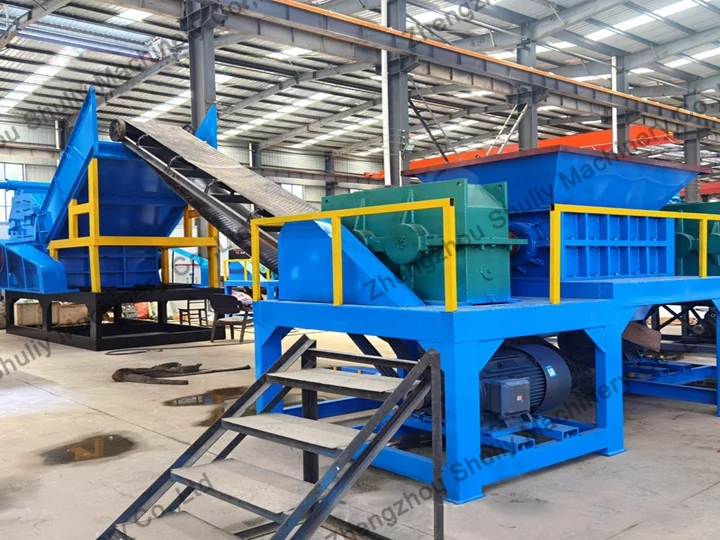
How Does a Metal Shredding Machine Work?
A metal shredding machine is an essential piece of equipment in the scrap metal recycling industry. It can break large, bulky metal materials into smaller, uniform pieces, making them easier to transport, sort, and recycle.
Feeding: Loading Scrap Metal into the Shredder
The working process of a metal shredding machine starts with feeding the scrap metal into the shredding chamber. Scrap materials can include steel plates, aluminum scrap, metal pipes, car bodies, household appliances, and other metal waste.
The material is fed through a hopper or inlet, either manually or by conveyor. Once the scrap enters the shredding chamber, it is positioned for processing by the cutting system. Proper feeding ensures stable operation and continuous shredding.
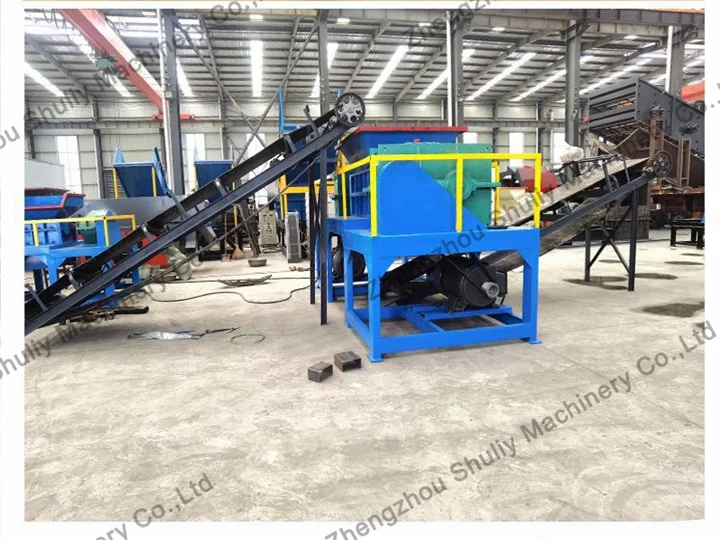
Shredding: Cutting, Shearing, and Tearing Metal
Shredding is the core working stage of a metal shredding machine.
Inside the machine, powerful rotating shafts fitted with heavy-duty blades begin to operate.
- In a dual-shaft metal shredder, two shafts rotate toward each other, gripping, tearing, and breaking metal from both sides.
- This shredding action gradually reduces large metal pieces into smaller fragments.
During this stage, the metal is cut, torn, and crushed repeatedly until it becomes smaller pieces.
Size Control Through Screening
To ensure uniform output size, many metal shredding machines are equipped with a screen or grate beneath the cutting chamber.
- Shredded metal pieces that are small enough pass through the screen openings.
- Larger metal pieces remain inside the chamber and continue to be shredded.
- The shredding process continues until all materials meet the required size.
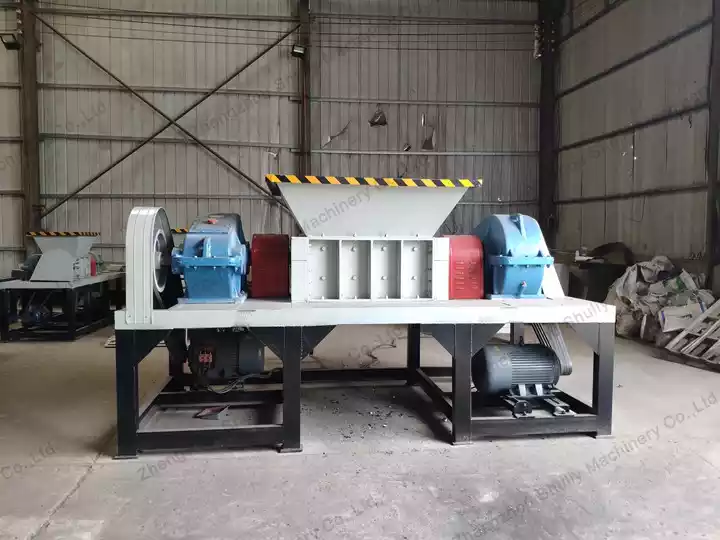
This screening system helps produce consistent output, which is important for downstream recycling operations.
Discharge: Output of Shredded Metal
Once the metal pieces reach the desired size, they are discharged from the outlet at the bottom of the shredder. The shredded metal can then be:
- Transported by conveyor for magnetic separation.
- Sent to metal baling or briquetting machines.
- Prepared for smelting or further recycling processes.
This step completes the metal shredding workflow and prepares the material for efficient reuse.
Why the Metal Shredding Process Is So Important?
The working principle of a metal shredding machine brings several practical benefits to recycling businesses:
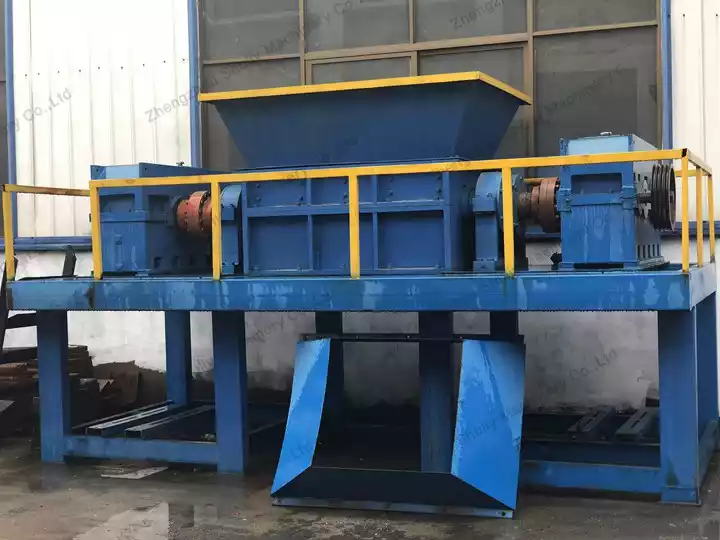
- Significant volume reduction, lowering storage and transportation costs.
- Improved recycling efficiency, as smaller metal pieces are easier to sort and process.
- Wide material adaptability, handling steel, iron, aluminum, copper, and mixed scrap.
- Better environmental performance by reducing waste sent to landfills.
These advantages make metal shredding machines a key part of modern scrap recycling systems.
Summary
In simple terms, the working process of a metal shredding machine includes four main steps:
- Feeding scrap metal into the shredding chamber.
- Shredding the metal through cutting, tearing, and shearing action.
- Screening to control the output size.
- Discharging shredded metal for further processing.
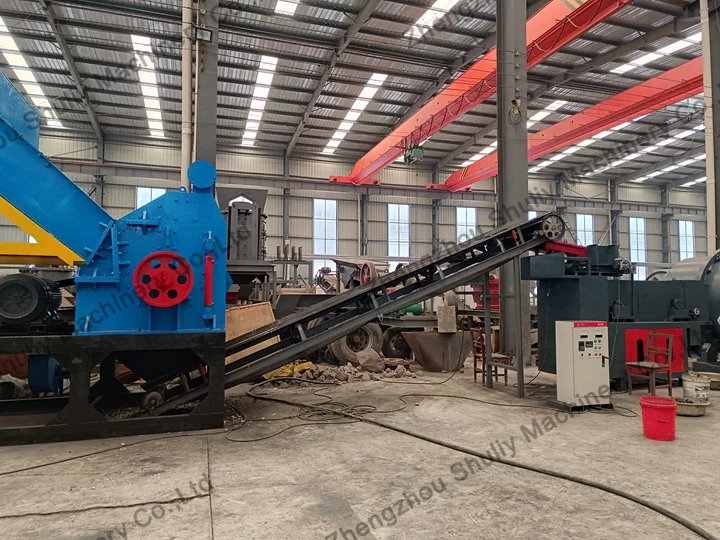
Each step works together to ensure efficient, safe, and continuous metal recycling. Designed with real recycling applications in mind, our metal shredder provides reliable performance, strong shredding force, and consistent output, helping customers improve recycling efficiency and reduce operating costs.