
What Materials Can Be Processed by a Screw Flight Forming Machine?
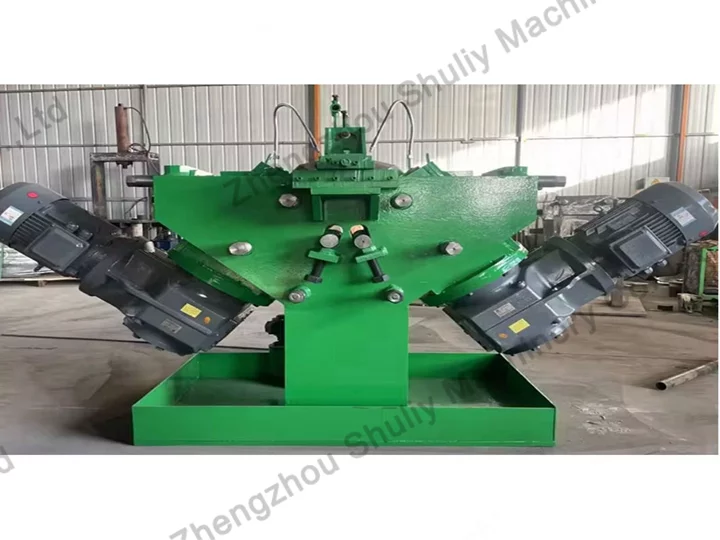
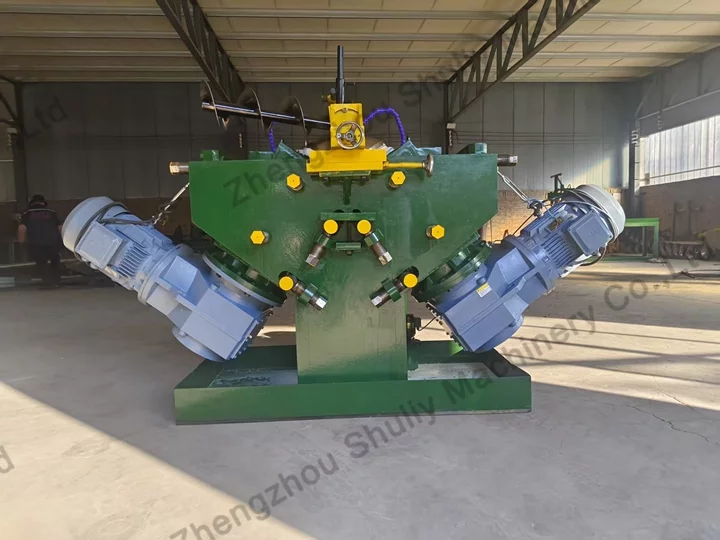
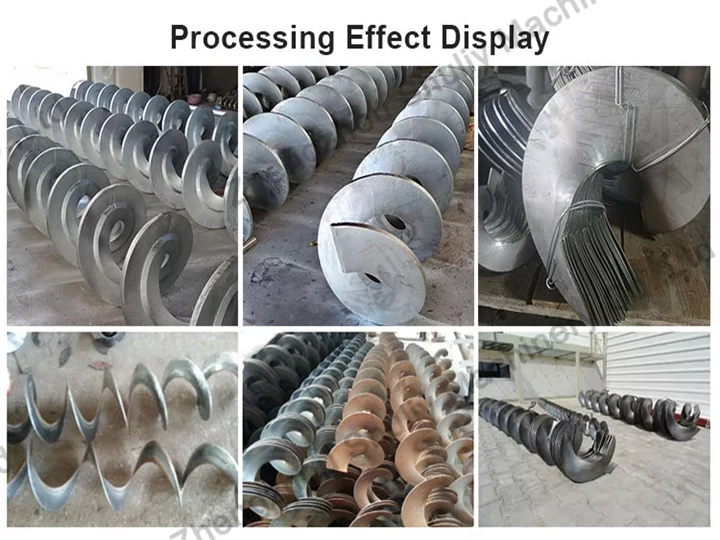
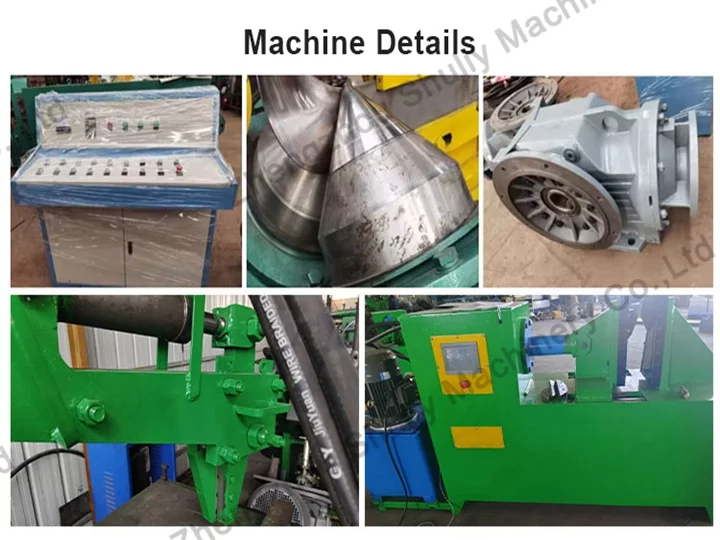
A Screw Flight Forming Machine, also known as spiral blade forming machine, cold‑forms flat metal sheets into seamless auger flights for screw conveyors, agricultural augers and mining equipment. Different raw metals deliver different blade performance. Understanding processable materials helps buyers select proper machine models and mold sets for their production.
Carbon Steel
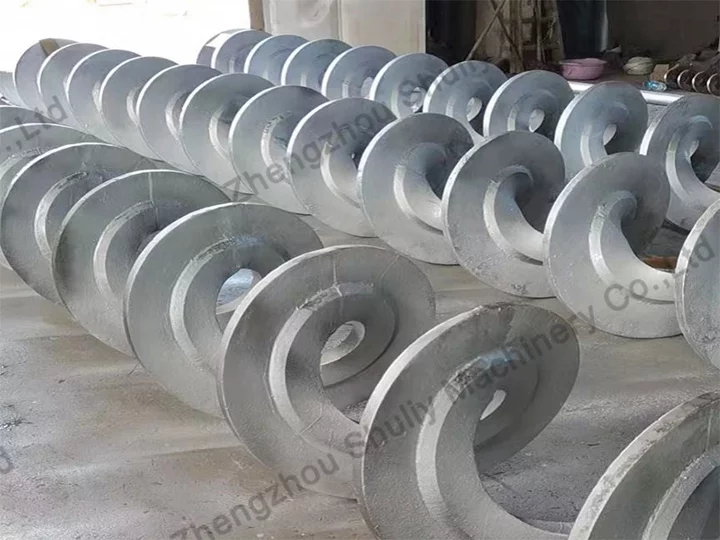
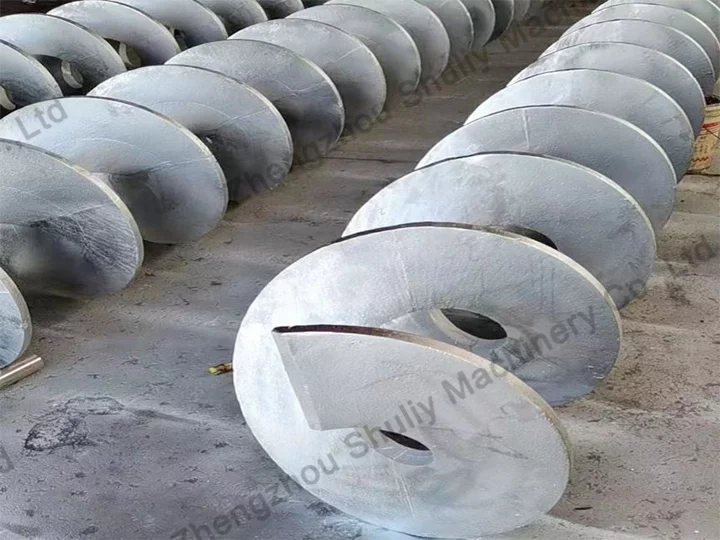
Carbon steel (Q235, Q345) is the most widely‑processed material for this equipment. Single‑piece models can handle carbon steel sheets up to 25 mm thickness, while continuous‑type machines work with 2‑6 mm carbon steel strips. Carbon‑steel screw flights feature high mechanical strength and low cost, perfect for general‑purpose conveying in agriculture, mining and waste‑treatment industries. It requires standard forming pressure without special roller modifications.
Stainless Steel
Stainless steel grades including 304 and 316L are fully supported for corrosion‑resistant spiral blades. Used for food‑processing, pharmaceutical and chemical screw conveyors, stainless steel avoids rust contamination. As it has higher toughness, operators need to reduce feed speed to prevent edge tearing. Polyurethane pressure rollers are recommended to avoid scratching the finished surface. Maximum forming thickness is lower than carbon steel for the same machine model.
Wear‑Resistant Alloy Steel
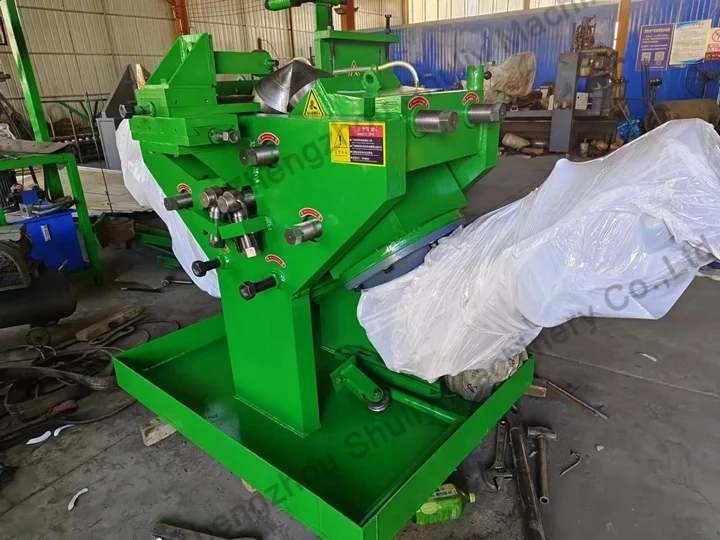
Wear plates such as NM360, NM400 and Hardox series can be cold‑formed by heavy‑duty screw flight forming machines. These high‑hardness materials make long‑service‑life blades for mining and abrasive‑material transportation. Due to obvious spring‑back effect, the machine needs over‑bend angle compensation and reinforced molds. Excessively thick wear plates will cause roller wear or cracking during forming.
Light Non‑Ferrous Metals
Continuous flight forming machines can process thin aluminum and brass strips (2‑6 mm). These soft non‑ferrous metals apply to special‑light‑load augers. Note that single‑piece hydraulic models are not recommended for thin non‑ferrous sheets, as excessive pressure may cause material deformation.
Conclusión
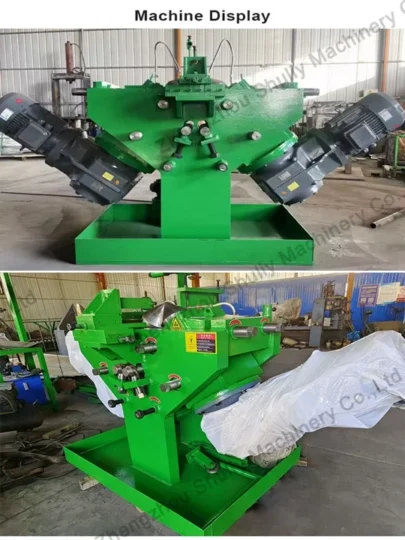
Even with good material compatibility, the machine has clear limits. Material thickness must match the machine’s rated range. Over‑hard or over‑thick sheets will damage rollers and molds. Different metals require adjusted pressure, feed speed and system compensation parameters to avoid cracking, spring‑back or surface defects.
In summary, the Screw Flight Forming Machine mainly processes carbon steel, stainless steel, wear‑resistant alloy steel, plus thin aluminum and brass strips. Match raw‑material hardness and thickness with machine specifications to obtain high‑quality weld‑free screw flights.