
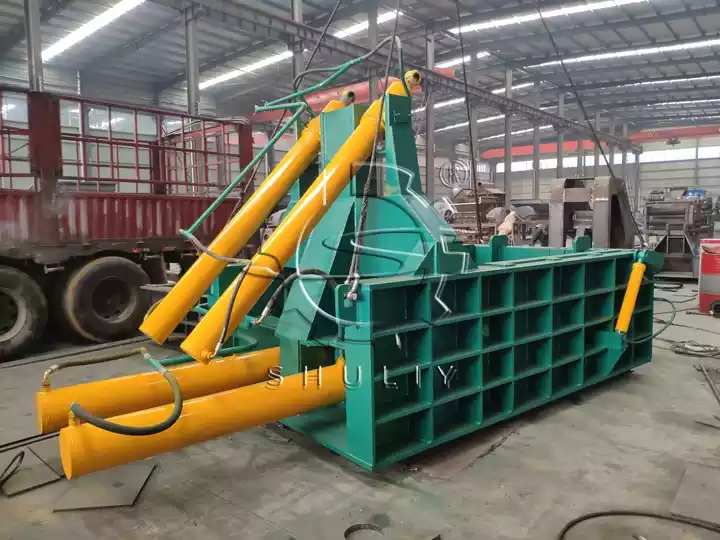
Hydraulic Metal Baler for Scrap Metal Recycling in Cambodia
Last month, we introduced our hydraulic metal baler solution for the scrap metal recycling market in Cambodia. Designed to compress bulky and irregular metal waste into compact blocks, this machine helps recycling businesses improve material handling, reduce storage requirements, and prepare scrap metal for transportation and further processing.
As Cambodia’s manufacturing, construction, and metal recycling activities generate various types of scrap, efficient metal compression equipment can help recycling operators manage materials more effectively. Our hydraulic metal baler offer multiple models and configurations to accommodate different processing capacities and recycling requirements.
Why Choose a Hydraulic Metal Baler for Cambodia?
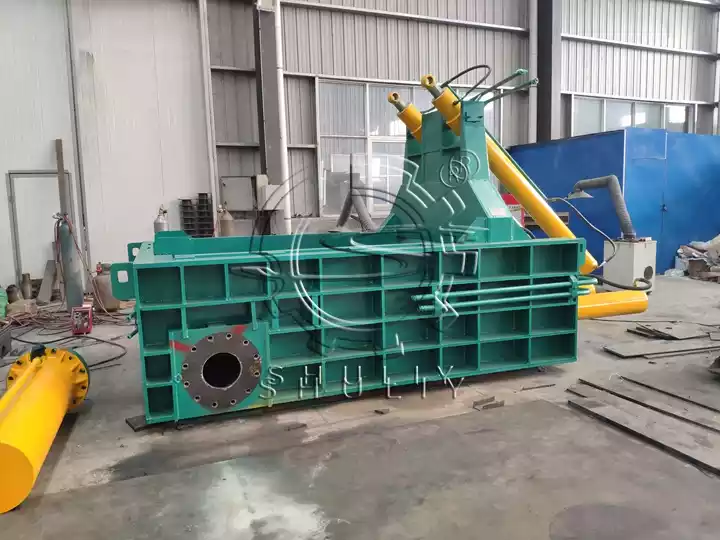
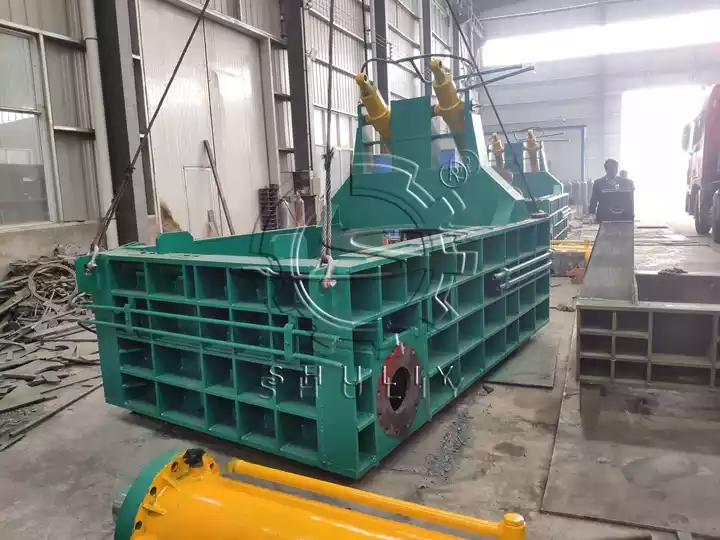
Scrap metal recycling businesses often handle loose steel, iron, aluminum, copper, and other metal waste. These materials can occupy considerable storage space, particularly when they have irregular shapes or low bulk density.
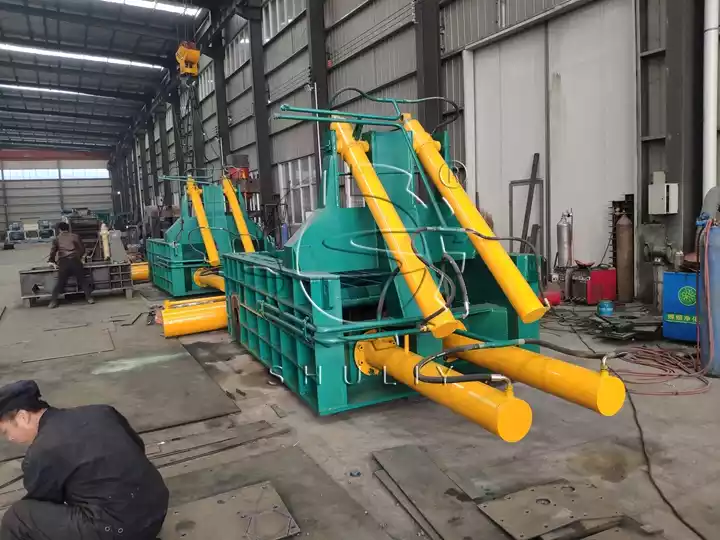
A hydraulic metal baler uses a hydraulic system to apply strong compression force, turning loose metal scraps into dense, manageable blocks. This process makes it easier to organize scrap materials, utilize warehouse space, and load products for transportation.
For recycling businesses in Cambodia, investing in a suitable hydraulic metal baler can help improve daily material handling and support more organized recycling operations.
What Scrap Materials Can the Hydraulic Metal Baler Process?
- Scrap steel and iron: Compresses suitable steel offcuts, iron scraps, and other metal waste.
- Aluminum scraps: Handles aluminum sheets, profiles, and suitable aluminum chips.
- Copper scraps: Compresses suitable copper waste generated during metal processing.
- Steel shavings and metal chips: Helps consolidate suitable loose metal processing residues.
- Scrap metal cans and drums: Processes compatible metal containers according to their dimensions and material characteristics.
- Dismantled metal components: Compresses suitable irregular metal pieces to simplify storage and transportation.
The appropriate machine model depends on the material type, dimensions, bulk density, and required output.
How Does the Hydraulic Metal Baler Work?
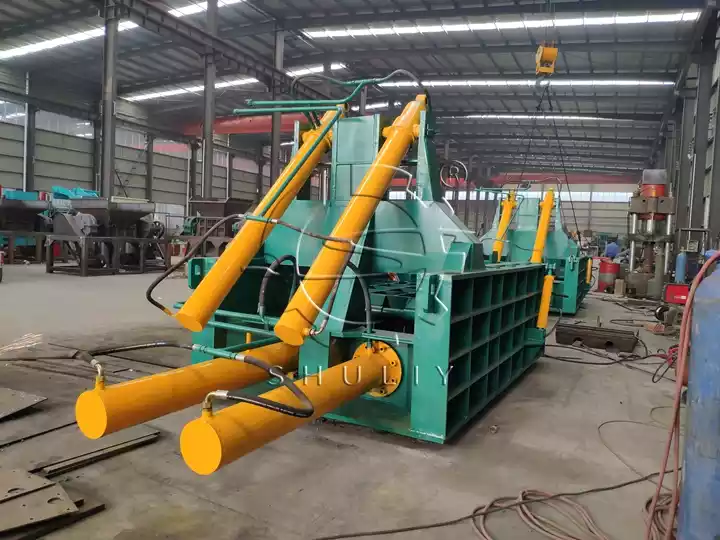
The hydraulic metal baler follows a straightforward compression process that helps recycling operators handle scrap materials more efficiently.
Step 1: Load the Scrap Metal
Operators place the prepared metal scraps into the machine’s compression chamber. The feeding method depends on the machine model and the size of the materials.
Step 2: Compress the Materials
After loading, the hydraulic system drives the pressing head to apply pressure to the scrap metal. The loose materials are compressed into a more compact form.
Step 3: Form Dense Metal Bales
The compression process produces metal blocks in the shape supported by the selected model. Depending on the configuration, the finished bales may be rectangular, cylindrical, or another specified shape.
Step 4: Discharge the Finished Bales
The machine discharges the compressed metal using its configured unloading mechanism. The bales can then be collected, stored, weighed, or transported for further recycling and processing.
How to Select the Right Hydraulic Metal Baler in Cambodia?
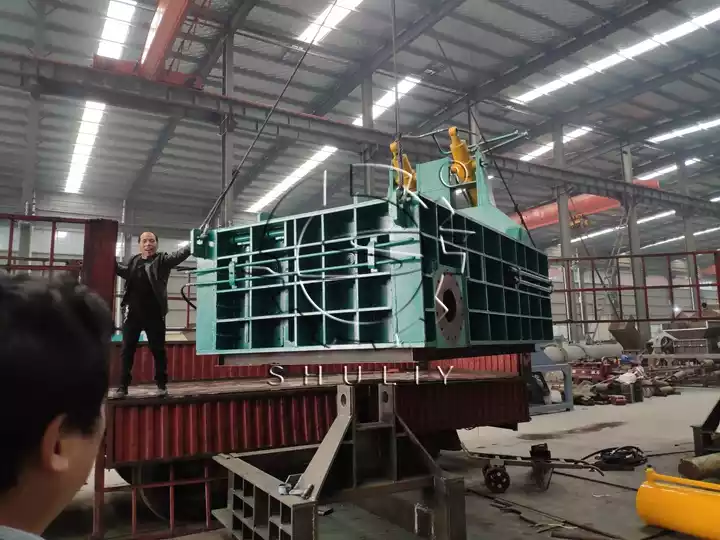
Before purchasing a hydraulic metal baler, recycling businesses should evaluate several important factors.
- Processing capacity: Estimate the amount of scrap metal generated or collected each day. The selected machine should meet the required hourly output without unnecessary investment in oversized equipment.
- Scrap material type: Steel scraps, aluminum sheets, copper chips, and other materials have different physical characteristics. Providing photos and dimensions of the raw materials helps determine a suitable configuration.
- Bale dimensions: Consider the storage area, transportation method, and downstream processing requirements when choosing the finished bale size.
- Power supply: Confirm the available electricity supply and required motor configuration before ordering. If a diesel-powered option is needed, ask the manufacturer whether it is available for the selected model.
- Installation and operation: Ensure that the installation area, material-feeding equipment, and finished-bale handling arrangements are suitable for the selected machine.
Conclusión
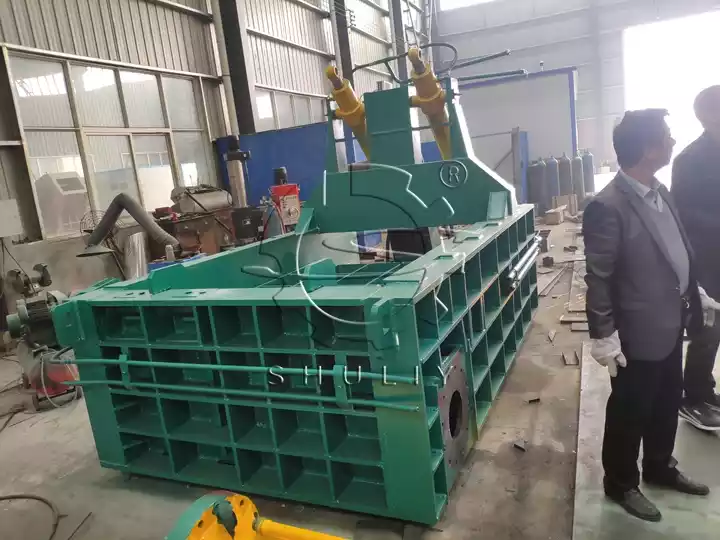
We supply metal recycling equipment for recycling yards, metal processing workshops, and industrial waste management businesses. Our hydraulic metal balers are available in multiple specifications, with customization options to suit different scrap materials and production requirements.
For buyers in Cambodia, we can help evaluate the required pressing force, chamber size, bale dimensions, and processing capacity before recommending a suitable hydraulic metal baler.
If you are planning to expand your scrap metal recycling business in Cambodia, contact us for machine specifications, working videos, and a quotation. Send us your scrap material photos and expected processing capacity, and our team will help you identify an appropriate hydraulic metal baler for your operation.