
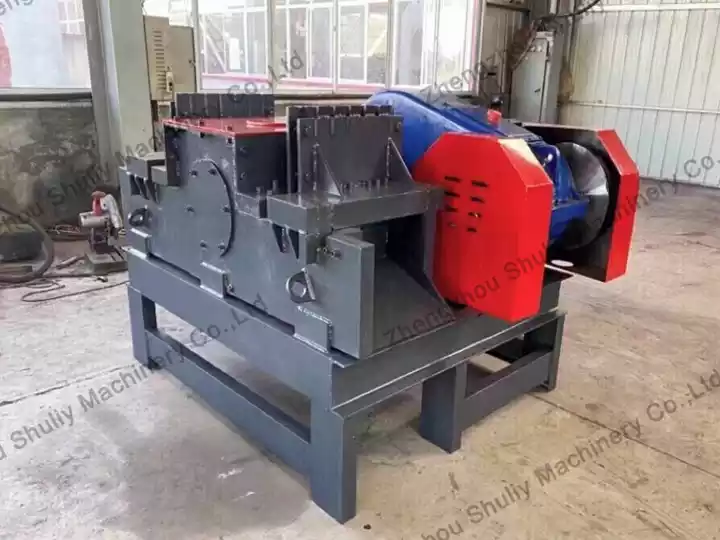
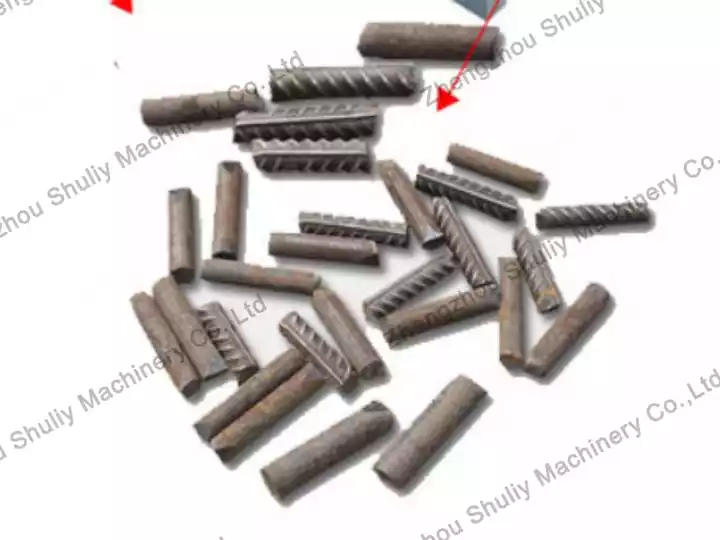
A scrap rebar cutting machine shears long, bent and tangled waste rebar into short, uniform cylindrical granules in a single pass. Fed from a top hopper, the machine crops demolition rebar, fabrication offcuts and threaded bar between a rotating cutter head and a fixed bed knife, and discharges the finished pieces through a side chute.
It handles deformed/threaded rebar, plain round bar and mixed construction scrap up to 32 mm in diameter , and its double-head design delivers 120 cuts per minute , giving a typical throughput of 1.5–3 tons per hour depending on bar diameter and how evenly the operator feeds it. The output is a dense, stackable, furnace-ready product that loads, transports and sells far better than loose long rebar.
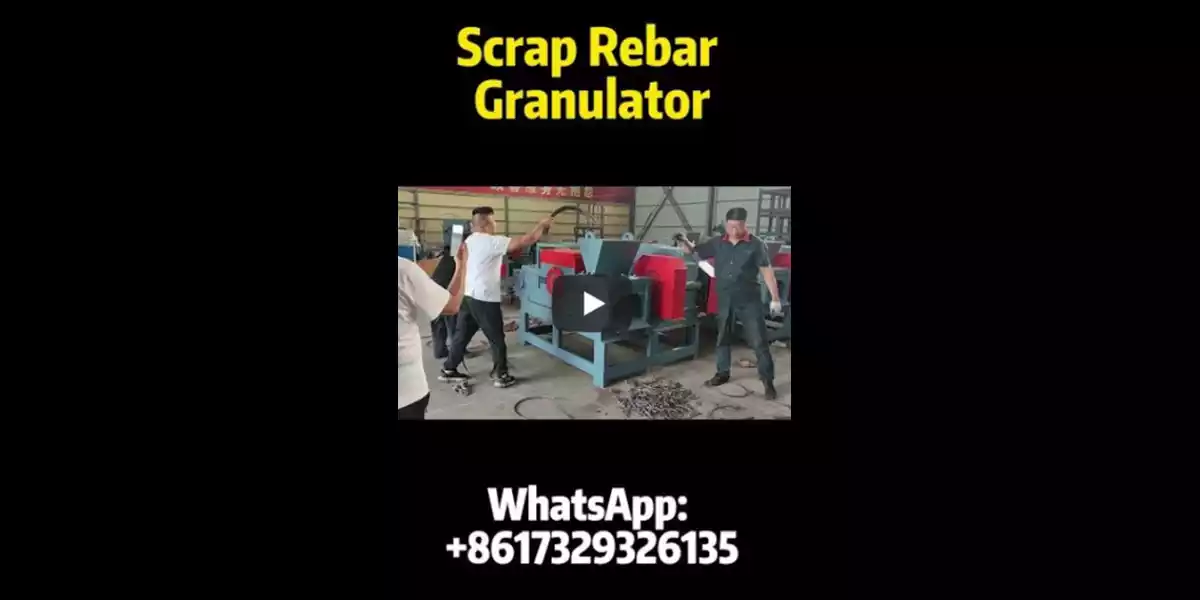
Commercial Scrap Rebar Cutting Machine for Sale
A scrap rebar cutting machine is a stationary, high-torque cropping machine built for one job: reducing waste reinforcement bar to a controlled, saleable size. In the trade it also goes by scrap rebar granulator , steel bar granulator and rebar cropping machine — different names for the same principle.
The word “granulator” is slightly misleading; the machine does not grind rebar to powder. It crops it into short solid cylinders, usually 30–60 mm long, which is exactly the size most steel mills and induction furnaces want in a charge.
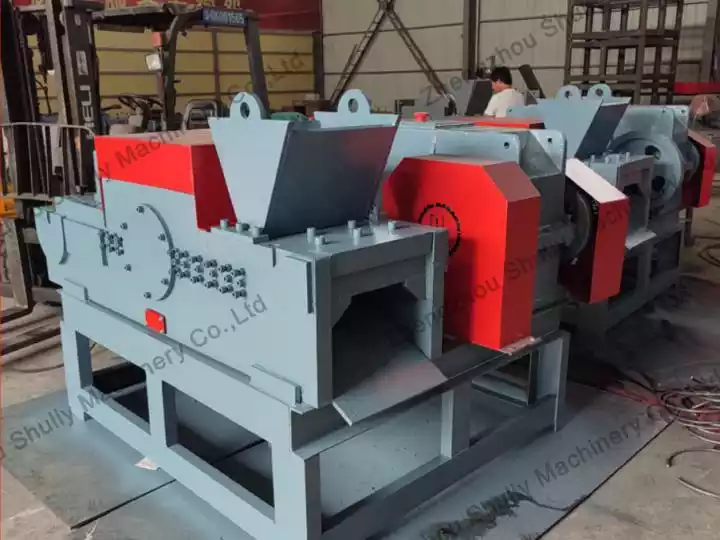
How It Differs From A Shear And A Shredder?
Buyers often compare three machine types, and the differences decide the business case:
- Alligator shear — intermittent, one stroke at a time, and it leaves long bars that still need secondary handling.
- Hammer mill shredder — tears metal apart, produces mixed sizes and fines, and wears heavily on abrasive rebar.
- Scrap rebar granulator — continuous cropping, consistent piece length, almost no dust, low noise, and far lower wear per ton because it cuts rather than hammers.
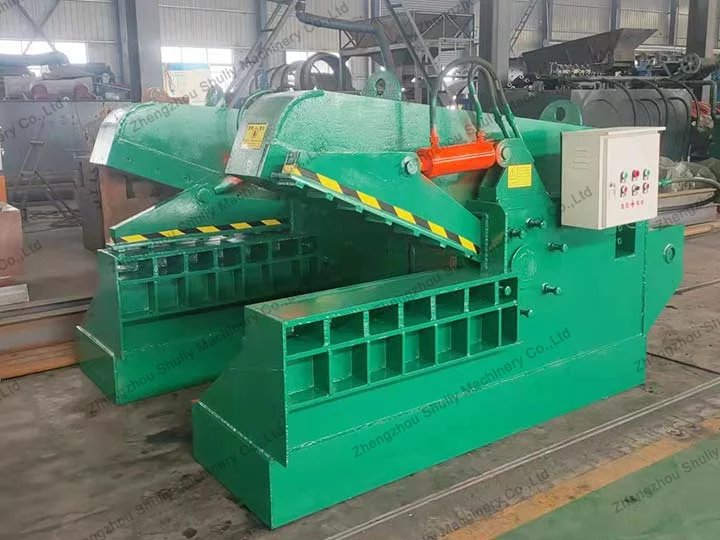
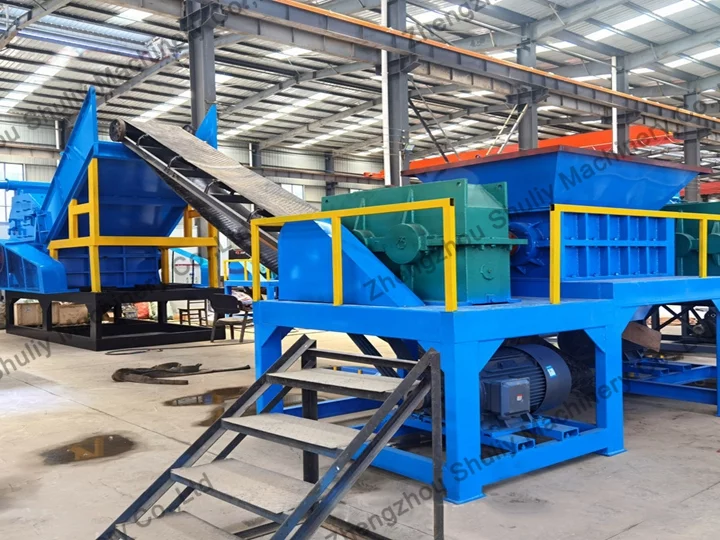
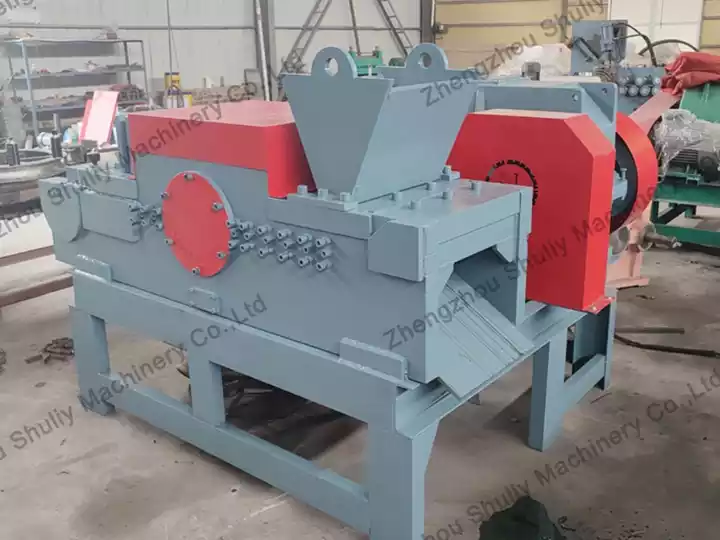
If your goal is a uniform, high-density product rather than loose shredded scrap, the cropping machine is the right tool.
Why Granulate Scrap Rebar Instead of Selling It Long?
Long rebar is one of the worst-paying forms of ferrous scrap. It tangles, it springs back, it bridges in the furnace, and it wastes truck volume. Granulating changes all four economics at once.
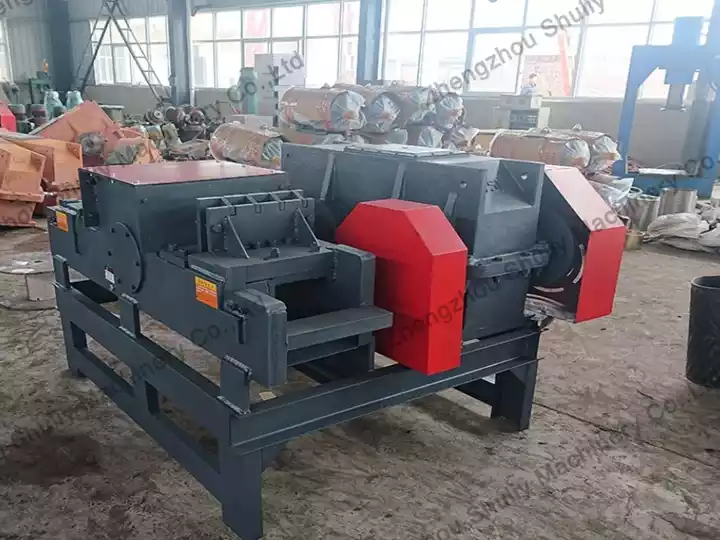
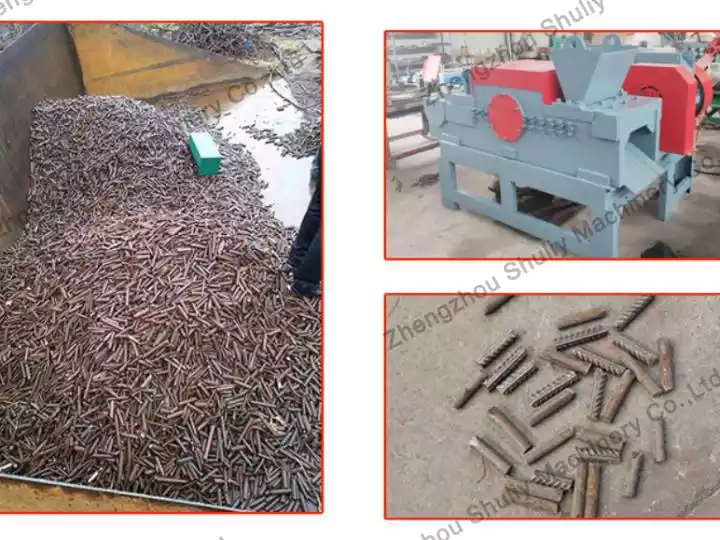
- Density and freight. A bundle of long rebar is mostly air. Cropped granules settle into a compact, free-flowing pile, so every truck, container and storage bay carries more tonnage for the same volume — and freight is paid per container, not per ton.
- Handling and grading. Short pieces do not snag, whip or jam a grab. They can be weighed, bagged, blended or fed by conveyor, which makes the material far easier to grade and to sell as a defined product instead of “mixed demolition rebar.”
- Furnace performance. A consistent charge size melts predictably and bridges less in the bucket and the furnace. Mills that buy prepared scrap pay for predictability.
- Labour and safety. Cropping replaces torch cutting and angle-grinder work — the two slowest, most injury-prone steps in a scrap yard — with a machine cycle measured in milliseconds.
How It Works: From Bent Bar to Uniform Granule
The process is simple, which is why the machine survives decades of abuse in yards.
- Step 1 — Feed. An operator drops bars into the top hopper. Bent rebar does not need to be straightened first; the hopper geometry guides it down into the cutting chamber.
- Step 2 — Cut. A rotating cutter head carries blades past a fixed bed knife. Because the machine runs on two cutting heads, each revolution produces two cropping actions, adding up to the rated 120 cuts per minute.
- Step 3 — Discharge. Cropped granules fall through the bottom of the chamber and slide out of the discharge chute into a bin, pit or conveyor.
- Step 4 — Collect and sell. The pile is ready to weigh and ship; no secondary sorting is required.
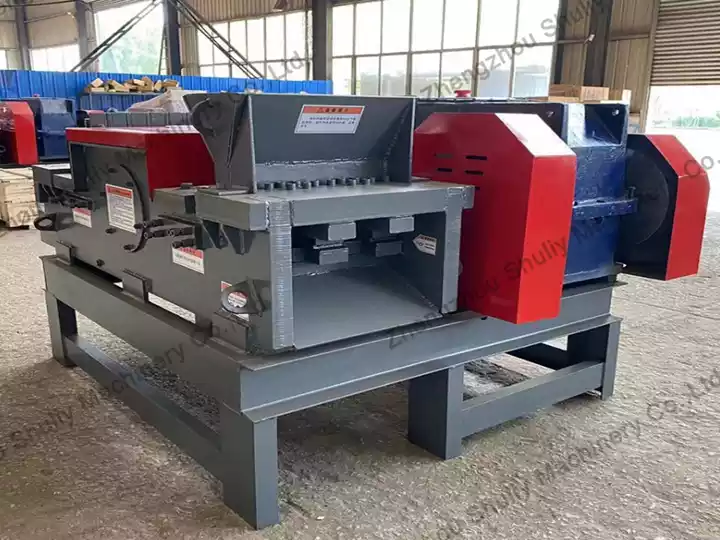
The 850-6 Scrap Rebar Cutting Machine Specifications
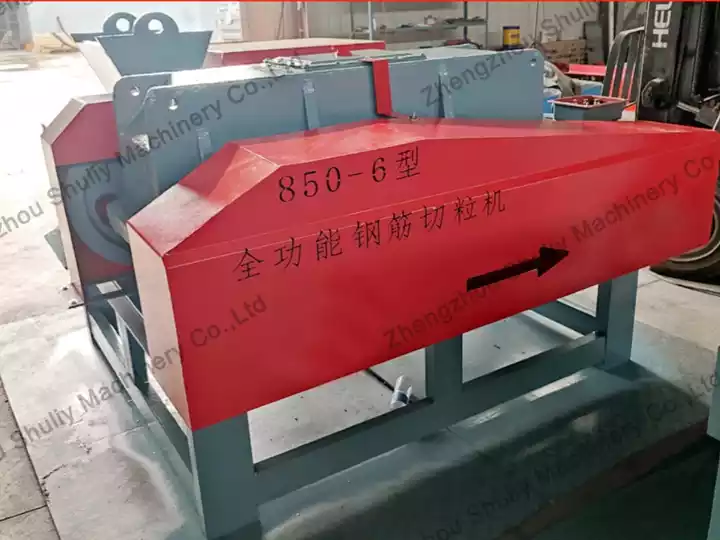
- Model: 850-6 (all-function rebar granulator)
- Maximum cutting diameter: 32 mm rebar
- Cutting frequency: 120 cuts/min (double-head)
- Motor power: 37 kW, 100% copper winding
- Reducer: 850#
- Motor speed: 1450 rpm
- Machine weight: 4,200 kg
- Body plate thickness: 60 mm
- Output: typically 1.5–3 t/h, depending on bar diameter, target length and feeding rhythm
Real Output: What 120 Cuts per Minute Means in Tons?
At 120 cuts per minute, hourly output lands in the 1.5–3 ton range under normal yard conditions. Where you fall inside that range depends on four variables:
- Bar diameter — 32 mm bar takes more torque per cut than 12 mm bar.
- Target granule length — shorter pieces mean more cuts per ton.
- Feeding continuity — a steady operator with a grab or a small loader keeps the chamber busy.
- Bar condition — heavily bent or rusted bundles feed slower than clean offcuts.
Plan for roughly one operator on the feed and one on collection during peak volume. A machine that is fed in bursts will always test below its rating.
Materials Scrap Rebar Cutting Machine Handles — and What It Cannot Take
Handles well:
- Deformed / threaded rebar, 6–32 mm.
- Plain round bar and smooth steel bar of similar diameter.
- Rebar offcuts and cut-offs from rebar fabrication shops.
- Demolition and earthquake-damage rebar, including bent and rusted bar.
- Mixed construction scrap sorted to bar-shaped pieces.
Does not suit:
- Bar above 32 mm — step up to a larger model instead of forcing it.
- Tightly bundled coils or mesh packs that must be loosened before feeding.
- Hardened spring steel, wire rope and cable, which are better served by a shredder.
- Concrete-encased rebar that has not been cleaned.
Be realistic about the last two. A granulator cuts; it is not a liberation machine.
Where a Scrap Rebar Cutting Machine Pays for Itself?
- Scrap yards and metal traders — upgrade long demolition rebar into a graded, sized product.
- Demolition contractors — process rebar on site or at the yard instead of paying to ship it long.
- Steel mills and foundries — prepare a consistent, furnace-ready charge.
- Rebar fabricators — recycle their own offcuts into a saleable stream.
- Ports and transfer stations — densify material before container loading.
In most yards the payback comes from three places at once: higher price per ton for sized scrap, lower freight cost per ton, and the labour hours no longer spent on torch cutting.
Scrap Rebar Cutting Machine Installation, Operation and Safety
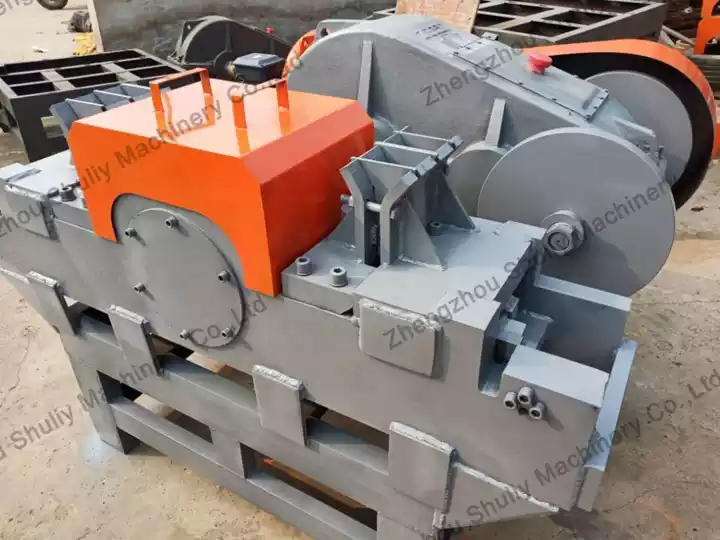
The machine is stationary and heavy, so preparation matters:
- Foundation. Pour a level concrete pad sized for a 4.2-ton machine and anchor the base; a granulator that rocks will crack its frame.
- Power. Provide an industrial three-phase supply matched to the 37 kW motor by a qualified electrician.
- Feeding. Feed at a steady rhythm rather than in shovel-loads — continuous feed is what produces the rated tonnage.
- Never clear the chamber by hand while the machine is running. Isolate and lock off power before any inspection or blade work.
- PPE. Face shield, hearing protection and gloves for the feed operator; flying scale and short offcuts are normal in this job.
Blade Care and Daily Maintenance
Blades are the consumable that decides your cost per ton.
- Check blade clearance and bolt torque at the start of every shift; loose blades chip and crack.
- Regrind or rotate blades on a fixed schedule based on tonnage processed, not on how the machine sounds.
- Inspect the chain for slack and lubrication weekly; a dry chain is the first thing to fail after the blades.
- Keep the discharge path clear so granules never back up into the cutting chamber.
- Log blade life per ton. It tells you within a month whether your feed material contains something the machine should not be eating.
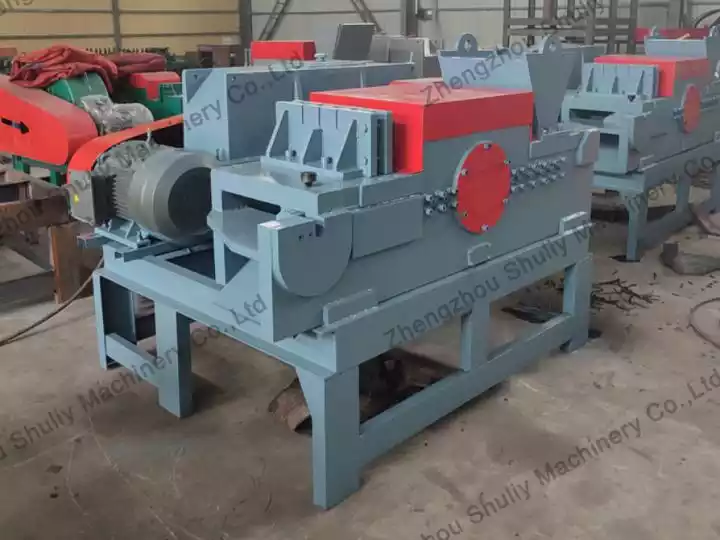
Scrap Rebar Cutting Machine FAQs
What diameter of rebar can a scrap rebar cutting machine handle?
The 850-6 cuts rebar up to 32 mm in diameter, including deformed and threaded bar.
Can it cut a whole bundle at once?
No. It is designed to crop individual bars. Loosen tightly bundled coils and mesh packs before feeding.
How long are the granules?
Finished pieces are normally in the 30–60 mm range. Length is set by the cutter configuration, so specify your target length when ordering.
Can it replace a shredder?
Only if your material is bar-shaped rebar. For wire rope, cable, mixed light scrap and liberation work, you still need a shredder or shear line.
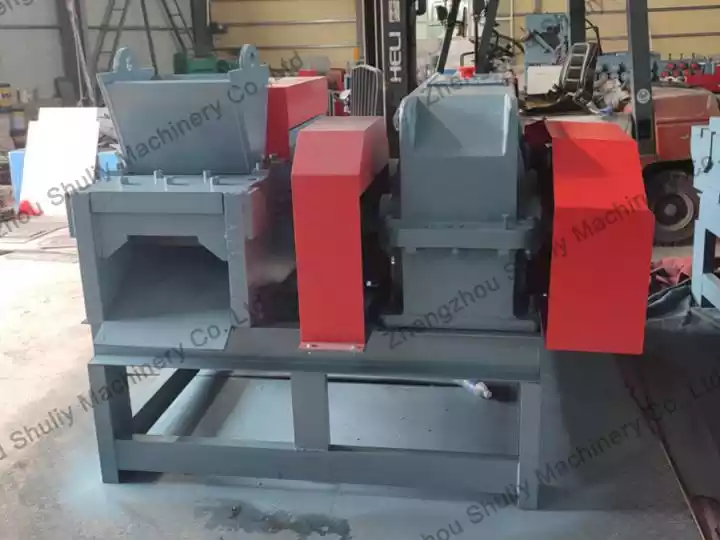
Conclusão
A scrap rebar cutting machine is the cheapest way to convert the worst-paying form of ferrous scrap into a graded, dense, furnace-ready product. If your yard is sitting on long, tangled demolition rebar, this is the step between “waste” and “product.”
Tell us your bar diameter, target granule length and required tonnage, and we will confirm the right model and blade configuration for your material.