
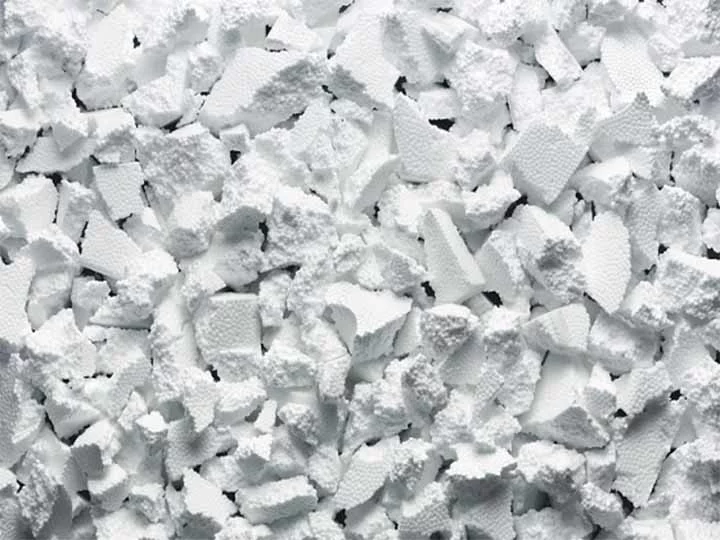
泡沫颗粒化技术的进步
Foam granulation stands at the forefront of innovative particle formation methodologies within various industries, spanning from pharmaceuticals to food production. This groundbreaking process involves the creation of foam by blending liquids or molten substances with gases, culminating in the solidification of foam into granules. This article will delve into the diverse methodologies and machinery employed in foam granulation.
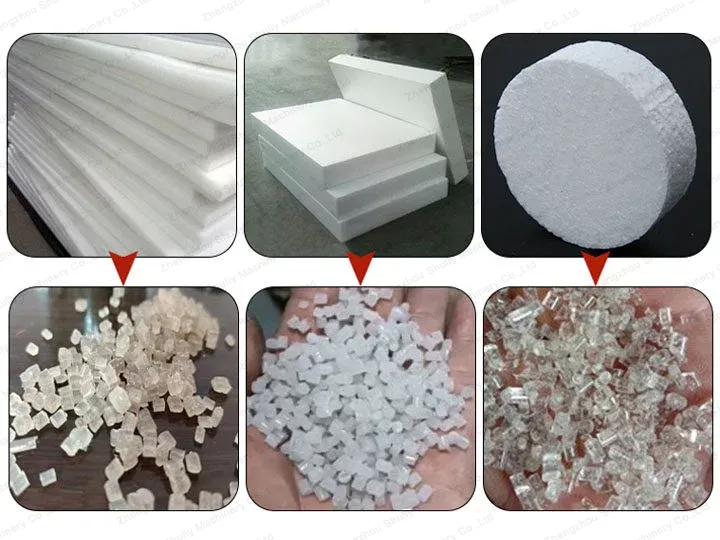
不同的泡沫造粒技术
Mechanical Granulation: A fundamental approach in foam granulation, employing mechanical forces to form granules from foam. This technique often utilizes foam granulators equipped with mechanisms to solidify foam into desired particle sizes.
Chemical Granulation: This methodology involves chemical reactions aiding in foam solidification, offering precise control over granule characteristics such as size and density.
Physical Granulation: Utilizing physical processes like freezing or cooling to solidify foam into granules, this method ensures the preservation of sensitive substances.
泡沫造粒机械
泡沫造粒的核心在于专门为多样方法量身定制的机械设备:
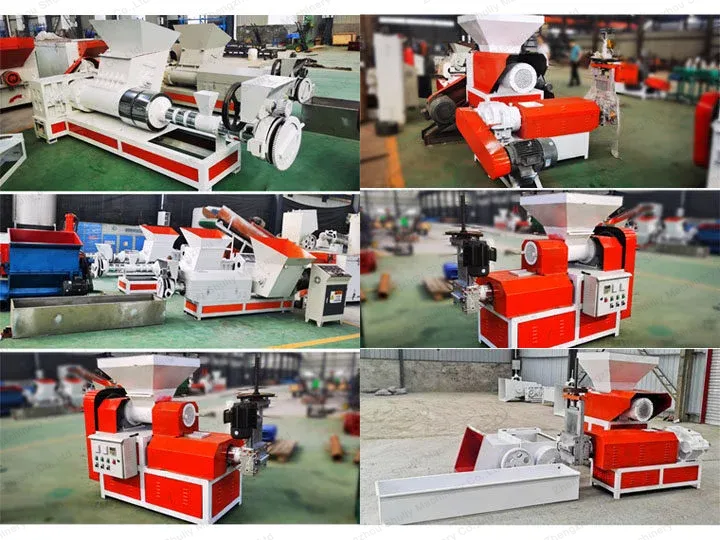
EPS泡沫颗粒机
These EPS foam pellet machines play a pivotal role in shaping foam into uniform granules. By controlling factors like temperature, pressure, and agitation, foam granulators transform foam into finely tuned particles suitable for various applications.
流化床造粒机
采用流化原理,这些机器将泡沫颗粒悬浮在向上的气流中,促进均匀颗粒形成并便于干燥过程。
喷雾干燥造粒机
利用雾化技术,这些机器通过将液态泡沫喷入干燥室,将其快速固化并形成颗粒。
应用与优势
泡沫造粒的应用遍及各个行业:
- 制药行业:实现对药物递送系统的精确控制,并增强活性药物成分(API)的溶解性。
- 食品行业:用于风味封装,提升产品的稳定性和保质期。
- 化学制造:提供一种受控的生产农药和特种化学品的方法。
泡沫造粒作为一项关键技术,正在革新各行业的粒子形成。方法和机械设备的不断发展推动着行业进步,满足多样应用的复杂需求,确保产品质量、效率和创新的提升。