
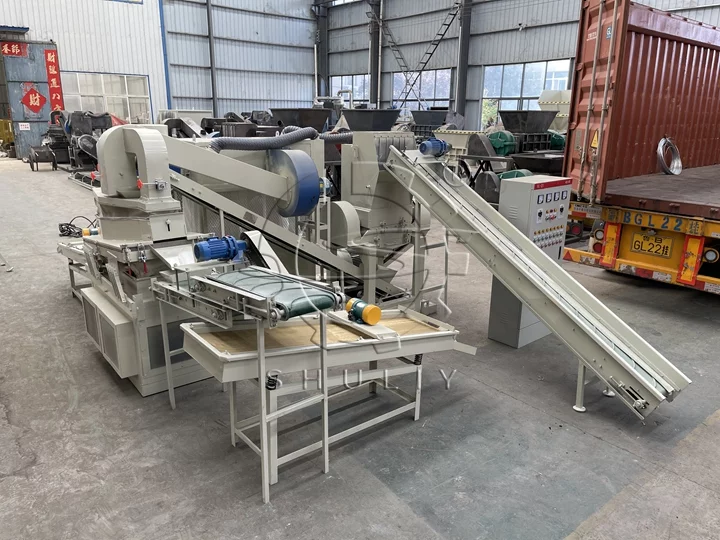
Copper Wire Granulator Machine Exported to Japan for Scrap Cable Recycling
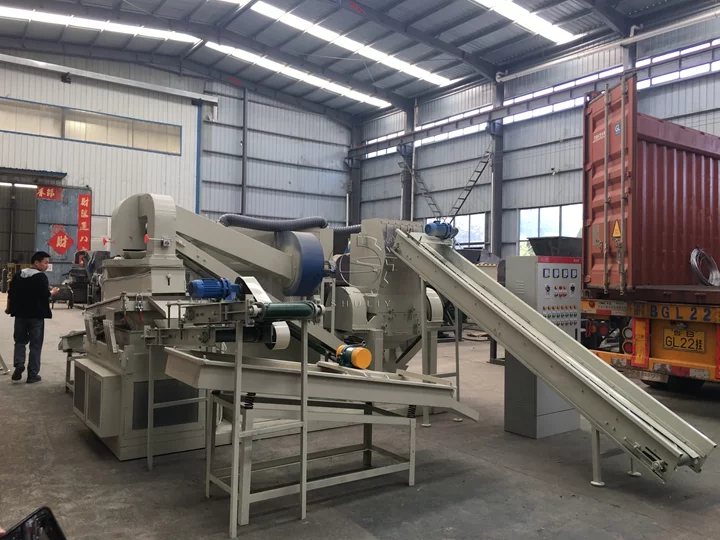
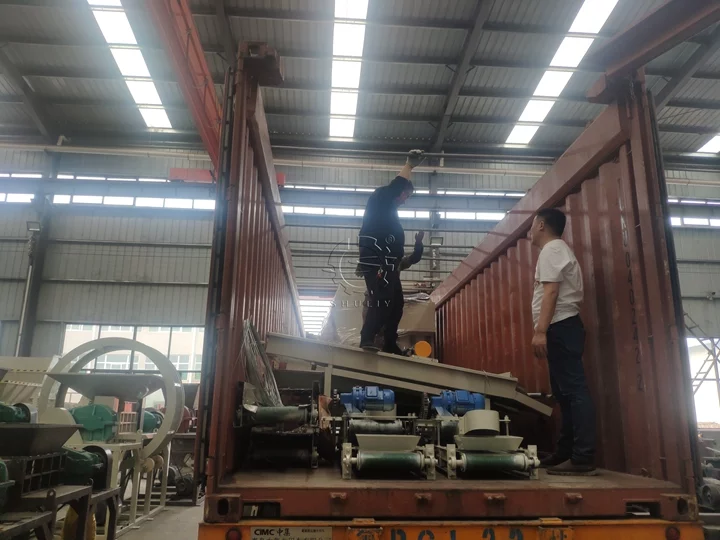
Two weeks ago, our Copper Wire Granulator Machine was exported to Japan to help a local recycling company process waste copper wires and cables. The customer was looking for an efficient solution to recover valuable copper from scrap cables while separating the plastic insulation for further recycling.
After discussing the customer’s raw materials, required output, and working conditions, we recommended a suitable copper wire granulator configuration for the project.
Why Did the Japanese Customer Choose a Copper Wire Granulator Machine?
The customer mainly handles waste electrical wires, cables, and other copper-containing scrap materials. With an increasing amount of scrap wire to process, manual separation was no longer suitable for the customer’s daily recycling needs.
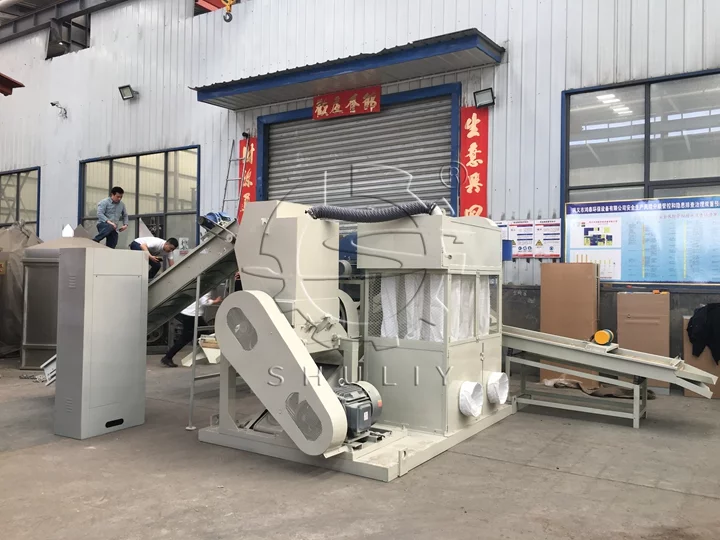
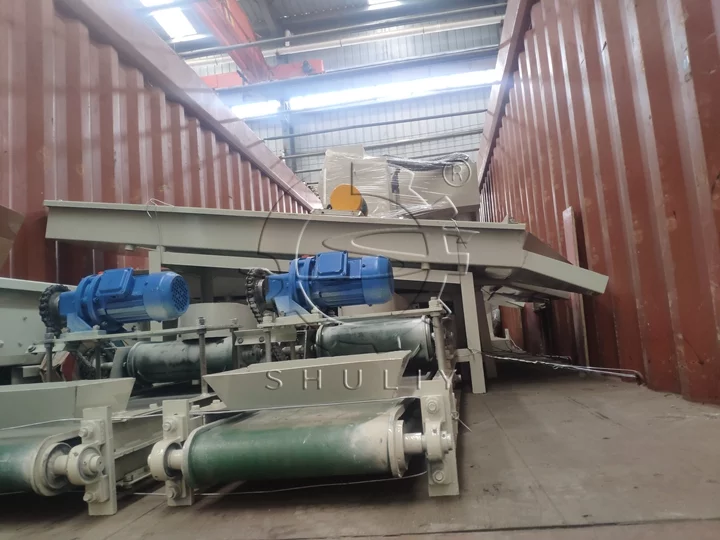
该 Copper Wire Granulator Machine provides a mechanical solution for separating copper from plastic insulation. The recycling process combines crushing, conveying, air separation, and screening to produce separated copper and plastic materials.
Compared with manual sorting, the machine can process a larger volume of scrap wire with less labor involvement.
How Does the Copper Wire Granulator Work?
The working process of the Copper Wire Granulator Machine is relatively straightforward.
First, scrap copper wires and cables are fed into the crushing system, where they are reduced into small particles. The crushed material is then conveyed to the separation section.
An air separation system uses the difference in physical properties between copper and plastic to separate the two materials. A vibrating screen further assists the separation process, allowing the recovered copper and plastic to be collected through separate outlets.
This dry recycling process does not require water or chemical separation agents, which makes the equipment suitable for businesses looking for a relatively clean wire recycling method.
Processing Capacity for Different Recycling Businesses
The copper wire granulator is available in different configurations to meet various processing requirements.
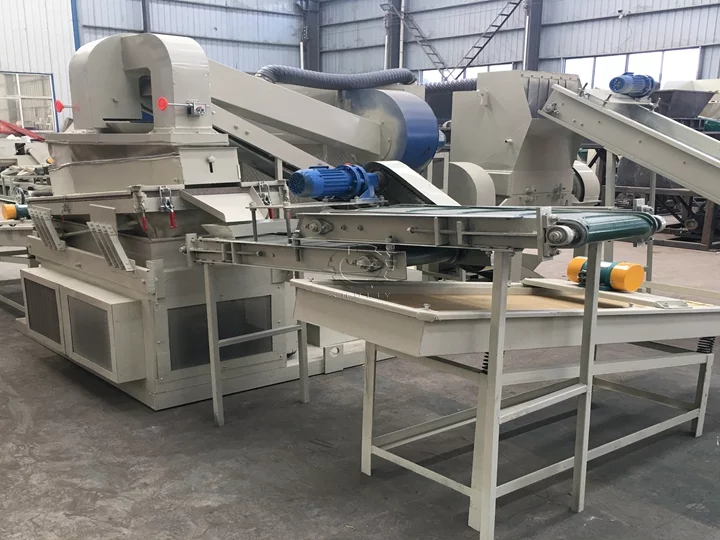
The available models can provide processing capacities from approximately 300 kg/h to 2000 kg/h, depending on the selected machine:
| 型号 | Approx. Capacity |
|---|---|
| XYN-600 | 300 kg/h |
| XYN-800 | 500 kg/h |
| XYN-1000 | 800 kg/h |
| XYN-1600 | 1500 kg/h |
| XYN-2000 | 2000 kg/h |
This range allows customers to select equipment according to their scrap wire volume and expected daily output.
For a small recycling workshop, a lower-capacity model may be sufficient, while larger recycling operations can consider higher-capacity configurations.
What Materials Can the Copper Granulator Process?
该 Copper Wire Granulator Machine is designed for various waste wires and cables containing copper and plastic insulation.
Typical materials include:
- Scrap electrical wires
- Communication cables
- Waste copper cables
- Automotive wires
- Electrical equipment cables
- Construction waste wires
- Mixed scrap cables
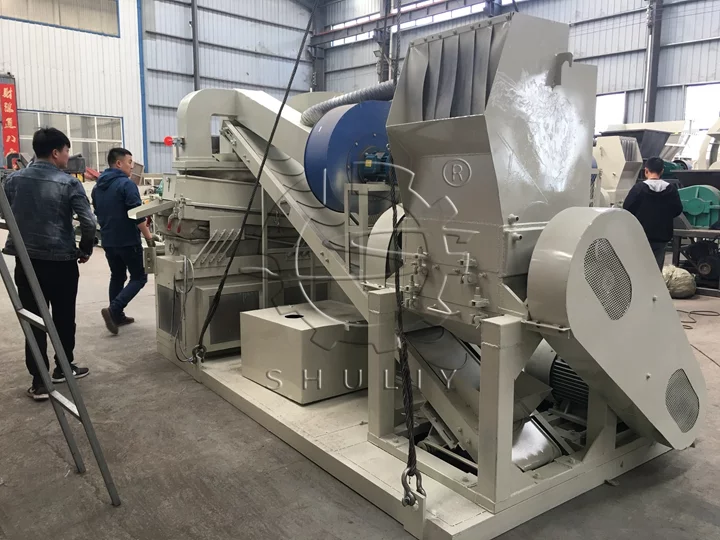
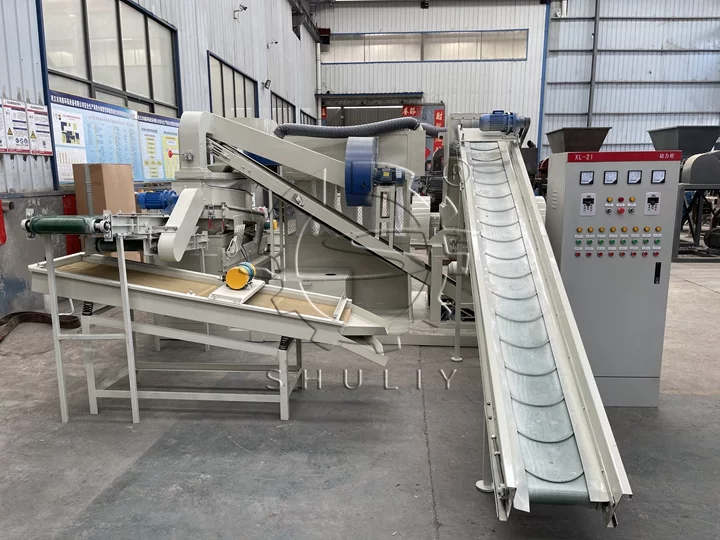
The actual processing effect depends on the wire diameter, insulation material, feeding condition, and machine configuration. Customers can provide material samples or detailed wire information before ordering so that the appropriate machine can be selected.
Main Components of the Copper Wire Granulator
A complete copper wire granulator machine integrates several processing components into one recycling system.
Depending on the model, the main components can include:
- Wire crusher
- Feeding conveyor
- 气流分离器
- Vibrating screen
- Dust collector
- Copper outlet
- Plastic outlet
- Electric control cabinet
The combination of these components allows the machine to complete crushing and separation within one continuous processing workflow.
The control cabinet also makes it easier for operators to manage the main working components during production.
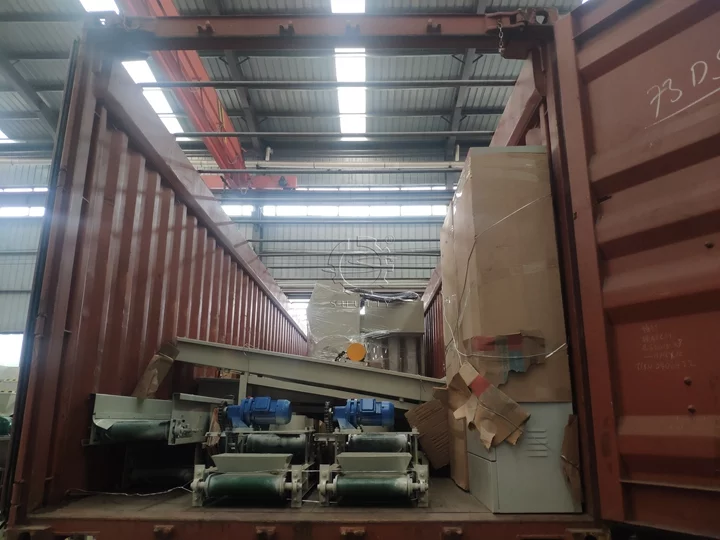
High-Quality Copper Recovery for Further Recycling
One of the main purposes of using a Copper Wire Granulator Machine is to recover copper from discarded cables.
After processing, the copper particles can be collected separately from the plastic insulation. The recovered copper can then be sent to metal recycling companies or further processing facilities.
The separated plastic can also be collected and used as a recyclable material, helping maximize the value of the