

How Are Dry Ice Briquettes Used in Cold Chain Transportation?
Dry ice briquettes are widely used in cold chain transportation to keep frozen food, seafood, and temperature-sensitive products cold during shipping. Unlike regular ice, dry ice sublimates directly from solid carbon dioxide into gas without producing liquid water. This makes it a practical cooling solution for shipments that require frozen or ultra-low-temperature conditions.
For businesses involved in food distribution, pharmaceutical logistics, and cold chain packaging, understanding how dry ice briquettes work can help improve shipping efficiency and temperature management.
What Are Dry Ice Briquettes?
Dry ice briquettes are compact blocks of solid carbon dioxide (CO₂), with a temperature of approximately -78.5°C (-109.3°F) at atmospheric pressure. They are available in different sizes depending on production equipment and application requirements.

Compared with regular ice, dry ice provides much lower temperatures and does not leave meltwater. These properties make it suitable for selected frozen shipments and insulated packaging systems.
How Are Dry Ice Briquettes Used in Cold Chain Transportation?
Frozen Food and Seafood Shipping
Dry ice briquettes help maintain low temperatures when transporting frozen meat, fish, shrimp, and other seafood products. When placed inside suitable insulated packaging, they absorb heat as they sublimate, helping preserve frozen conditions during transit.
Pharmaceutical and Laboratory Shipments
Some pharmaceutical products, biological materials, and laboratory samples require very low shipping temperatures. Dry ice can be used when the product’s storage requirements specifically permit it. Validated packaging and temperature monitoring are important for sensitive shipments.
Temperature-Controlled Packaging
Dry ice briquettes can be placed around or alongside products in insulated containers. The required quantity depends on transit time, insulation quality, ambient temperature, and the product’s initial temperature.
Dry Ice Briquettes vs. Regular Ice
| Feature | Dry Ice Briquettes | Regular Ice |
|---|---|---|
| Temperature | About -78.5°C | About 0°C while melting |
| Phase change | Solid to gas | Solid to liquid |
| Meltwater | No | Yes |
| Main applications | Frozen shipping and very low-temperature transport | Chilled products and conventional cooling |
Dry ice is not suitable for every shipment. Products that must remain chilled rather than frozen may require refrigerated transport or another validated cooling method.
What Affects Dry Ice Consumption During Shipping?
Several factors determine how much dry ice a shipment needs:
- Transit time: Longer journeys generally require more cooling capacity.
- Insulation: Better insulated packaging slows heat transfer.
- Ambient temperature: Hot weather can increase dry ice consumption.
- Product temperature: Properly precooled products reduce the initial cooling demand.
- Packaging design: Container size and dry ice placement affect cooling performance.
For temperature-sensitive shipments, determine dry ice quantities through packaging validation or thermal testing rather than relying on a general estimate.
How Does a Dry Ice Briquette Machine Support Cold Chain Businesses?
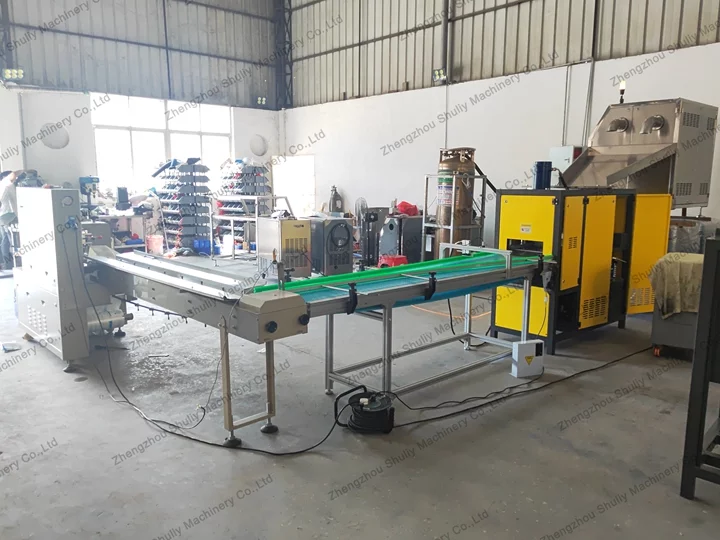
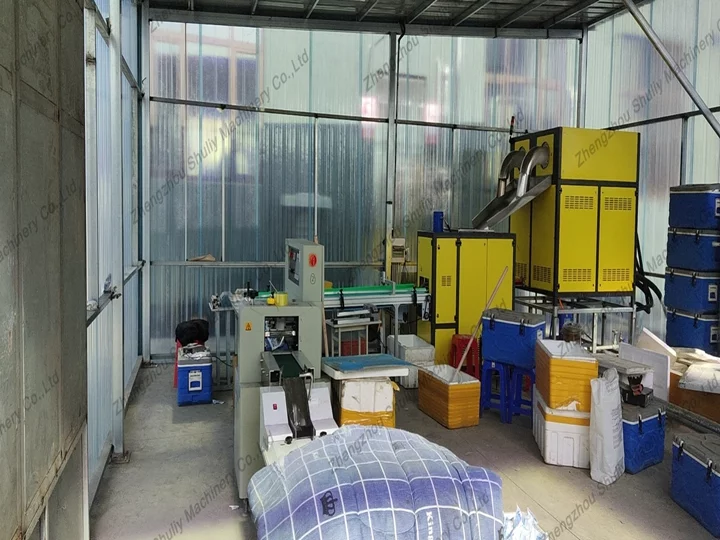
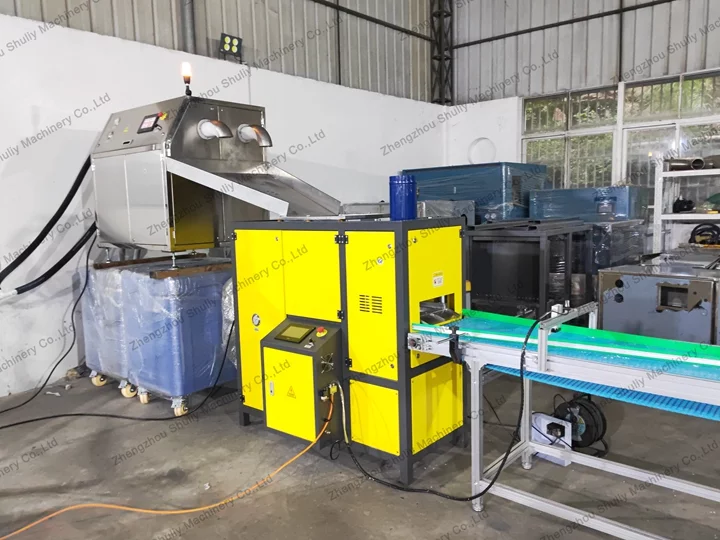
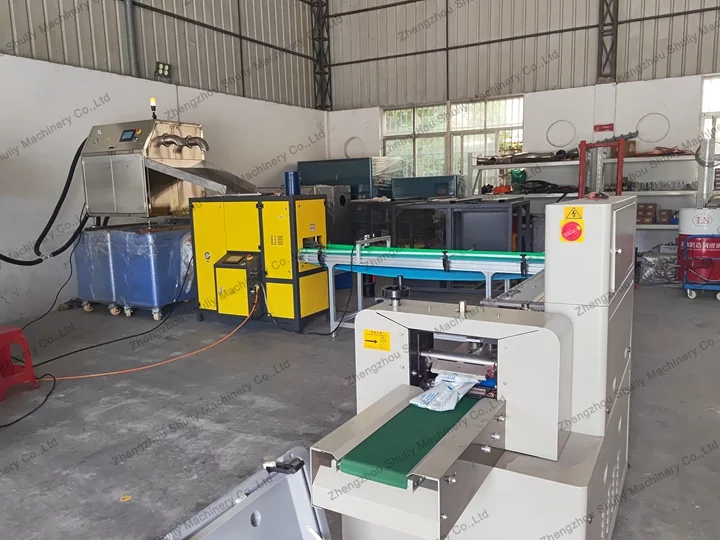
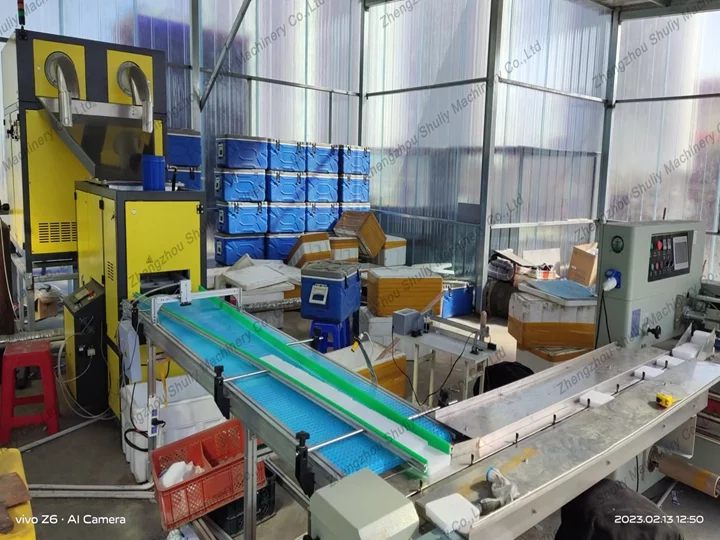
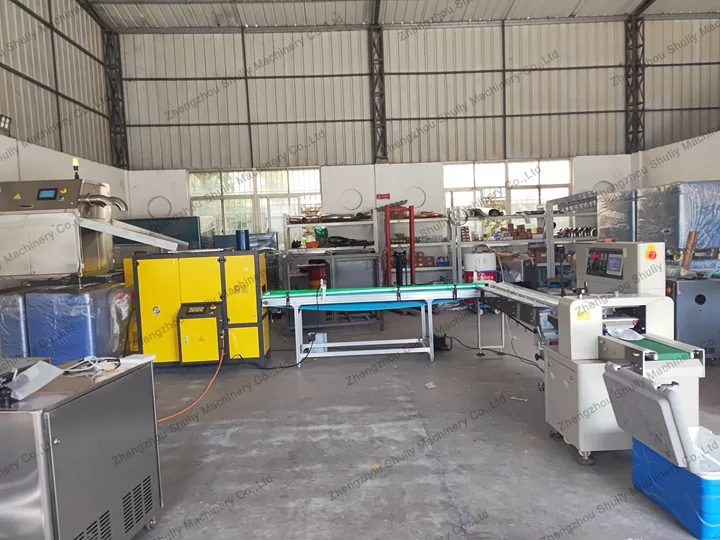
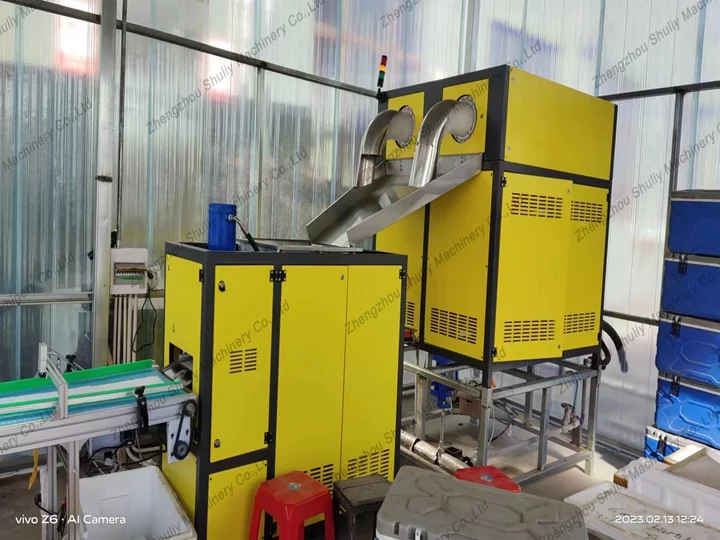
А dry ice briquette machine compresses suitable dry ice material into compact pieces for handling, storage, and shipping. Businesses supplying dry ice to food distributors, logistics companies, and industrial users can use this equipment to produce briquettes suited to their operational needs.
When choosing a machine, consider production capacity, briquette dimensions, operating requirements, and finished-product consistency.
Explore our Dry Ice Briquette Machine to learn more about dry ice production equipment for commercial applications.
Safety Tips for Using Dry Ice in Transportation
Dry ice requires careful handling because of its extremely low temperature and the carbon dioxide gas released during sublimation.

- Wear insulated gloves and appropriate eye protection.
- Handle dry ice in well-ventilated areas.
- Never place dry ice in an airtight container.
- Use packaging designed for dry ice shipments.
- Follow applicable carrier and transportation regulations.
Заключение
Dry ice briquettes provide an effective cooling option for cold chain transportation involving frozen food, seafood, and selected temperature-sensitive products. Proper packaging, accurate dry ice quantity planning, temperature monitoring, and safe handling are essential for reliable results.
For businesses that need a consistent supply of dry ice briquettes, investing in suitable production equipment can help support shipping and industrial cooling operations.